
Understanding Myopia Management
What is Myopia?
Myopia (nearsightedness) means a child can see up-close objects clearly, but distant objects appear blurry. This happens because a child’s eye grows slightly too long from front to back, causing light to focus in front of the retina rather than directly on it.
While standard glasses fix a child's vision today, they do not stop the eye from continuing to grow too long. Progressive myopia can lead to high prescriptions and increases the long-term risk of serious eye conditions later in life. Instead of just correcting blurry vision, modern myopia management focuses on slowing down how fast the eye elongates.
Modern Treatment Options
Based on recent peer-reviewed tracking data, treatments are ranked below by how effectively they slow down axial elongation (the physical lengthening of the eyeball), which is the gold standard for protecting long-term eye health.
1. Stellest® Smart Glasses
Clinical Efficacy:~60% to 67% reduction in eye elongation (when worn 12+ hours daily).
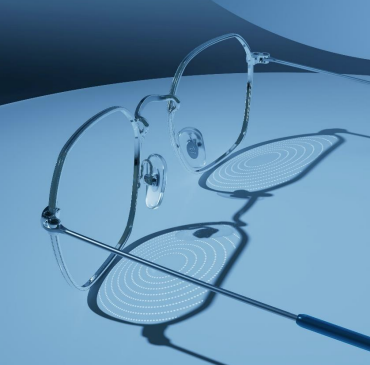
How they work: They look and feel exactly like regular glasses, but feature a constellation of invisible lenslets surrounding the center of the lens.
The mechanism: While the center provides crisp vision, the surrounding rings create a specialized "signal" in the periphery that tells the eye to slow its elongation. Because compliance is high and easy to maintain all day long, recent data shows excellent structural control.
3. Orthokeratology (Ortho-K)
Clinical Efficacy: ~45% to 55% reduction in eye elongation.
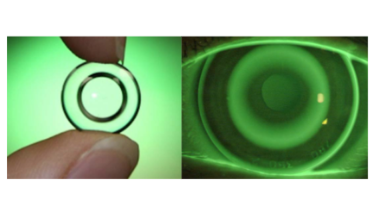
How it works: These are specialized, rigid lenses worn only while your child sleeps.
The mechanism: The lenses gently and temporarily reshape the front surface of the eye (the cornea) overnight. Your child removes them in the morning to see clearly all day without glasses or contacts, while the reshaped cornea provides the stable optical profile required to signal the eye to curb its growth.

2. MiSight® 1-Day Lenses
Clinical Efficacy: ~52% to 59% reduction in eye elongation.
How they work: These are soft, daily disposable contact lenses designed specifically for children's active lifestyles.
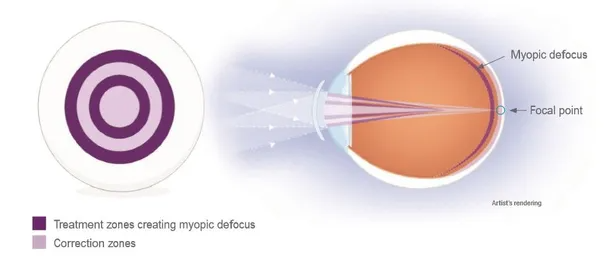
The mechanism: Backed by the longest continuous running clinical trial in pediatric contact lenses, they utilize concentric treatment zones. One zone corrects distance vision, while alternating rings create peripheral defocus that moves perfectly with your child's gaze, consistently suppressing axial growth.
4. Low-Dose Atropine Drops
Clinical Efficacy: ~30% to 50% reduction in eye elongation (highly concentration-dependent).
How they work: A simple eye drop administered once daily at bedtime.
The mechanism: This is a pharmacological approach that interacts with specific receptors in the back of the eye to reduce the rate of elongation. While excellent at controlling prescription changes, lower doses (like 0.01%) do not slow physical eyeball growth as robustly as optical options, though higher custom doses (0.025%–0.05%) show vastly improved performance.
The Clinical Reality: The absolute most effective treatment is the one your child will wear consistently. The earlier you start, the more efficacious treatment is! For patients progressing at a rapid rate, our clinic can also utilize Combination Therapy—pairing a daytime optical treatment (like Stellest or MiSight) with a nighttime pharmacological drop (Atropine) to compound the protective effects.